
EU Member States agreed on new limits for litter allowed on the seafloor – an essential step towards reducing marine pollution and the first effort to set such thresholds.
Under the new rules, areas where seafloor litter is measured using trawl surveys must show no increase in the amount of litter over time. In areas monitored visually, there must be no more than one litter item per 1,000 square metres. Current assessments will focus on waters up to a depth of 200 metres.
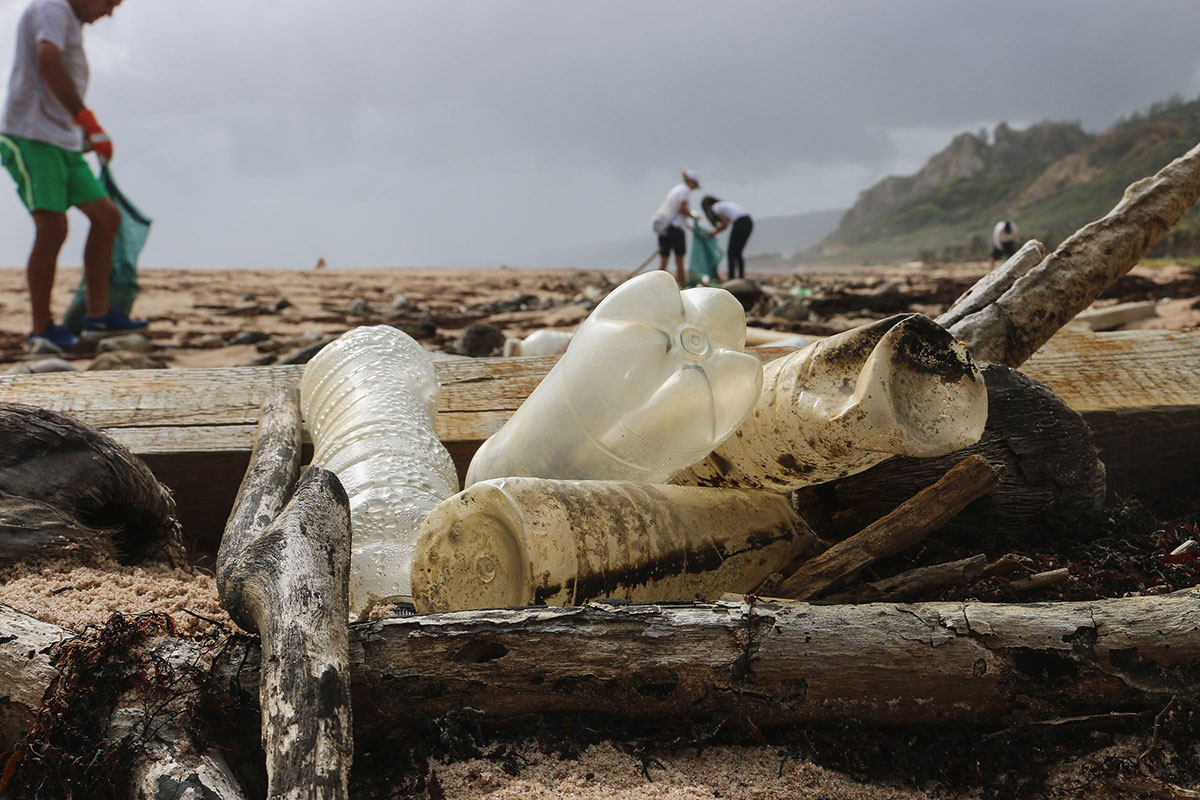
Marine litter, especially plastic pollution, is one of the most serious environmental issues facing the world’s oceans. It threatens marine wildlife, harms coastal tourism, fisheries, and aquaculture, and poses risks to human health and well-being.
Much of the litter found on beaches or floating at the surface eventually sinks to the seabed. Until now, most data on seafloor litter came from waste accidentally collected in fishing nets during bottom trawling. Because trawl gear varies across Europe, this data was unreliable and difficult to compare. Many areas also cannot be monitored with trawls, making new visual and image-based methods essential.
Next steps
To comply with the new thresholds, Member States need to implement appropriate measures in their marine strategies, required under the Marine Strategy Framework Directive (MSFD).
These strategies cover issues such as biodiversity protection and the reduction of all forms of marine pollution.
Technical work will continue in the coming years, including the possibility of setting additional limits for the most harmful types of litter and extending monitoring to deeper waters.