
The European Commission published guidelines seeking to help EU countries in supporting small-scale fishers and enhancing transparency and good governance in the allocation of fishing opportunities by EU countries.
The Commission has observed that some of the reported allocation methods do not appear to address adequately emerging challenges faced by EU fisheries. This is especially evident for small-scale coastal fishers, who are more impacted by the energy crisis, natural fluctuation of stocks, competition for the use of the marine space, climate change, degradation of marine environment, invasive species as well as unfair competition from illegal, unreported and unregulated (IUU) fishing.
With these guidelines, the Commission invites EU countries to reflect on the methods and criteria they use to allocate fishing opportunities, notably through some good practices examples. Some of these practices are particularly well-suited to addressing the specific needs of small-scale and coastal fishers.
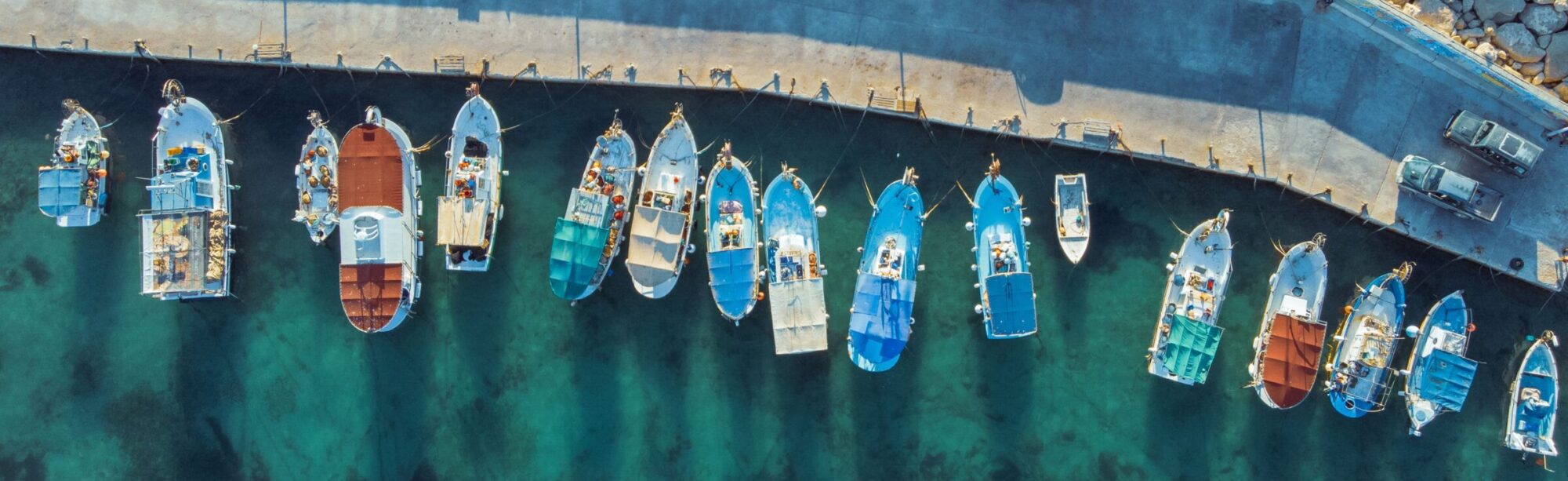
The Commission recognises the important role of small-scale coastal fisheries, which represent nearly 75% of all fishing vessels registered in the EU and nearly half of all employment in the fishing sector. It places special emphasis on their close links with the social and economic fabric of coastal communities, their close connection with the local environment, society and their important role in European cultural heritage.
The Commission also encourages EU countries to improve good governance when allocating fishing opportunities through transparency and communication, ensuring information accuracy and the suitability of allocation methods.
These guidelines aim to assist EU countries apply environmental, social and economic criteria in the allocation of fishing opportunities.
The allocation of fishing opportunities can be used to create incentives for fishing vessels to deploy selective fishing gears, thereby encouraging and rewarding more sustainable behaviour and solutions.
This initiative is the result of the Commission’s engagement with scientific bodies and EU countries to assess the use of transparent and objective criteria in the allocation of fishing opportunities.